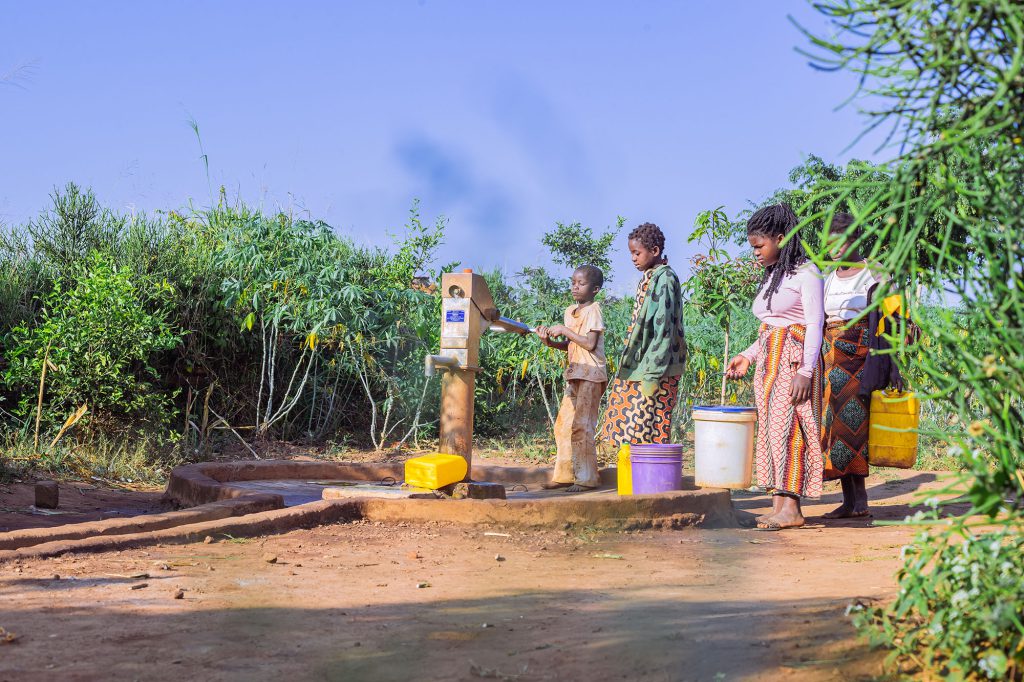
What we do
In Zambia and Mozambique, we work with local partners to ensure lasting access to safe water, sanitation, and hygiene.
696 million people still lack safe water at home.
We deliver lasting solutions like solar water systems, menstrual health support, latrines, and boreholes in communities, schools, and health centres. Alongside climate resilient farming, training, and livelihood projects, we address overlooked needs and create change that lasts.
Our work is about more than infrastructure. It’s about transforming how services are delivered, how communities are supported, and how we ensure we reach everyone with water, sanitation and hygiene.
We are targeting 3 districts via our District Wide Plans (DWPs) as a solution for 100% WASH coverage in Zambia and Mozambique. This approach is built on close collaboration with district councils and our experienced local partners.
Our Approach
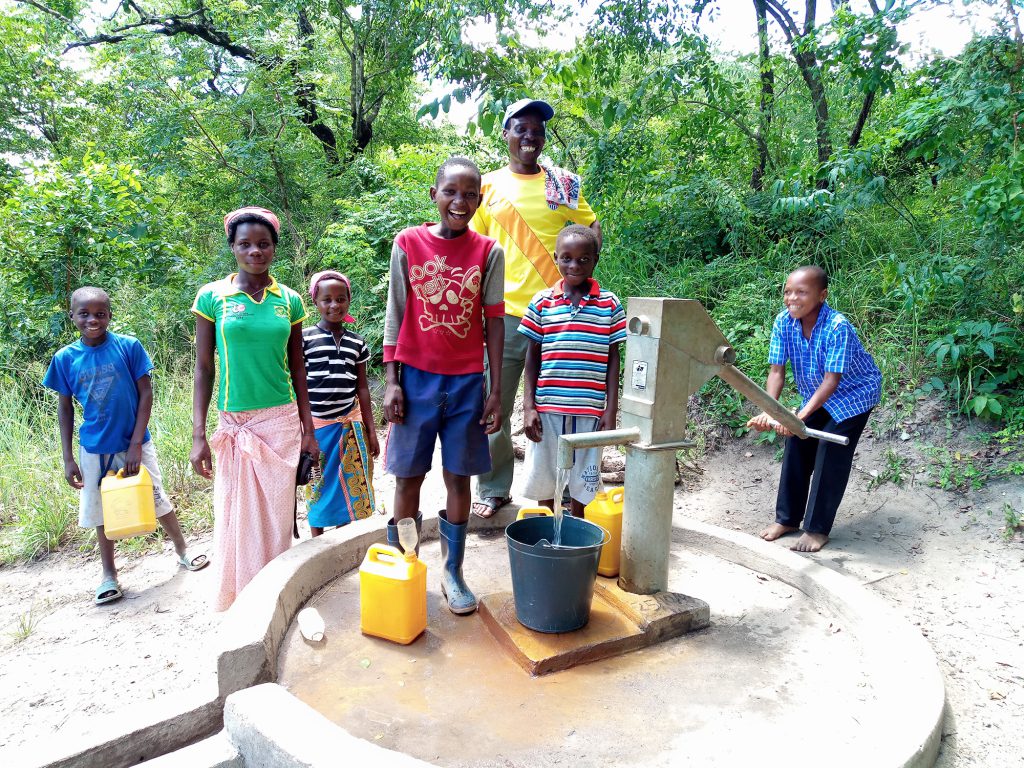
Wash
Households, schools, and health centres still lack clean and safe water, sanitation, and hygiene services. Leaving communities without the basic infrastructure needed to stay healthy.
What’s the solution?
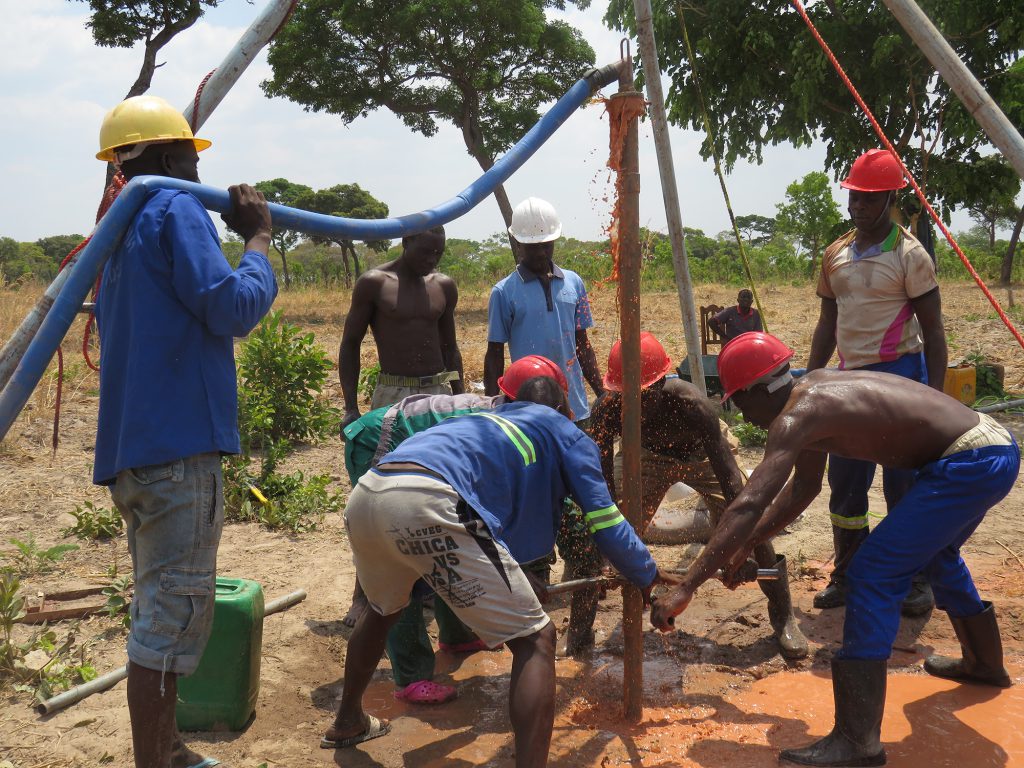
- Drilling new wells and repair broken water pumps
- Build household and school latrines
- Construct handwashing facilities
- Train communities in hygiene and safe water practices
- Support local monitoring and maintenance systems
- District planning to assess need and avoid duplication
- Supporting people living with disabilities
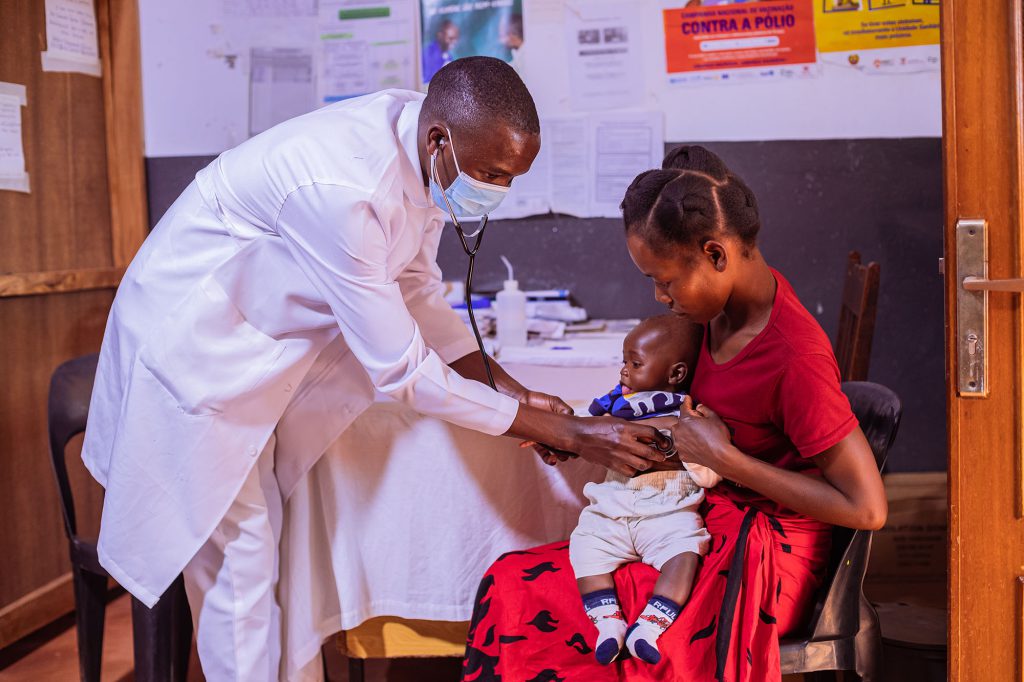
Health
Waterborne diseases remain a major health challenge due to unsafe water sources, inadequate sanitation, and limited hygiene education in homes, schools, and health facilities.
What’s the solution?
- Deliver hygiene promotion and behaviour change sessions
- Run menstrual health workshops
- Improve WASH facilities at rural health centres, including water supply, latrines, and handwashing points
- Reduce the spread of waterborne diseases like diarrhoea, skin infection, and cholera, through improved access and awareness
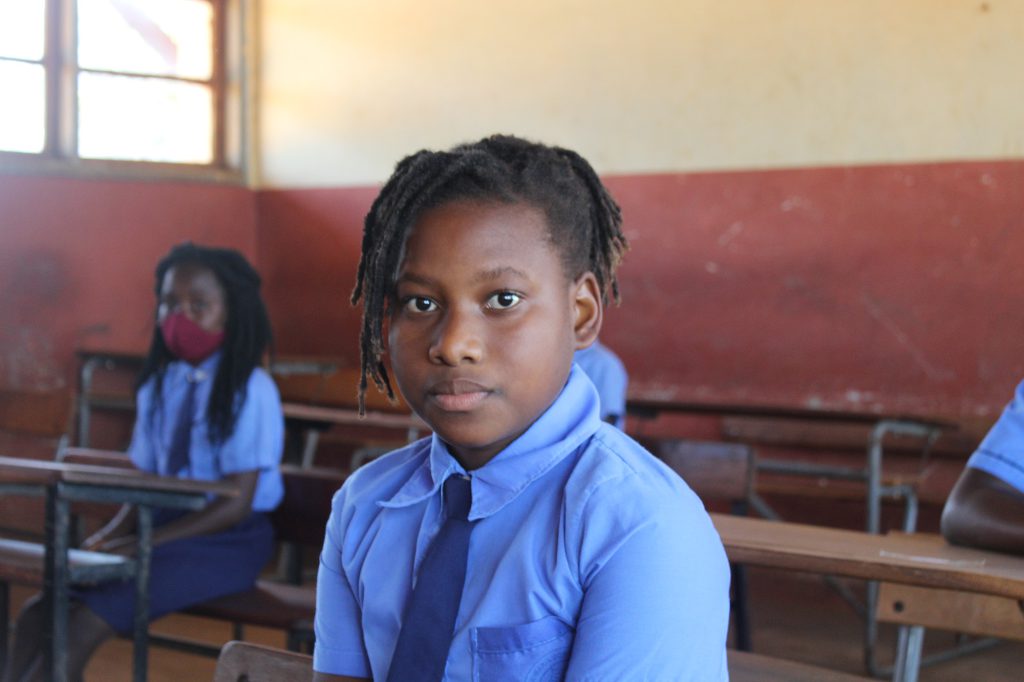
Education
Schools lack adequate WASH facilities. Leading to poor attendance and forcing girls to miss lessons during menstruation, which impacts their education and future prospects.
What’s the solution?
- Build single sex, accessible latrines in schools
- Provide water supply and handwashing stations for schools
- Train teachers on hygiene education
- Set up ‘WASH’ clubs led by teachers
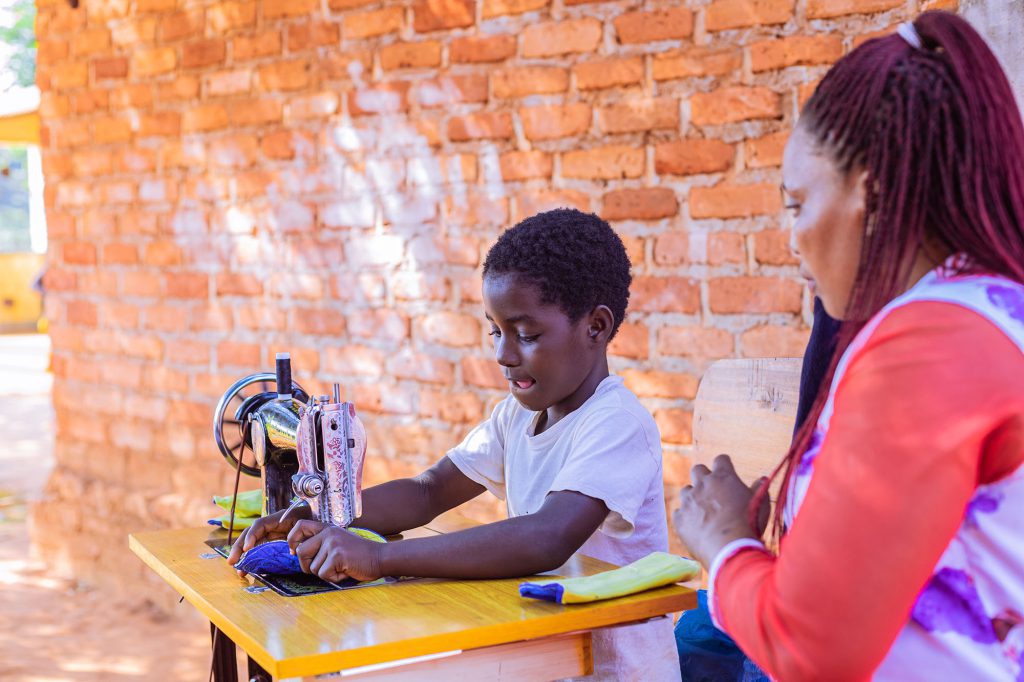
- Set up sanitary pad-making to improve girls’ school attendance
Climate resilience
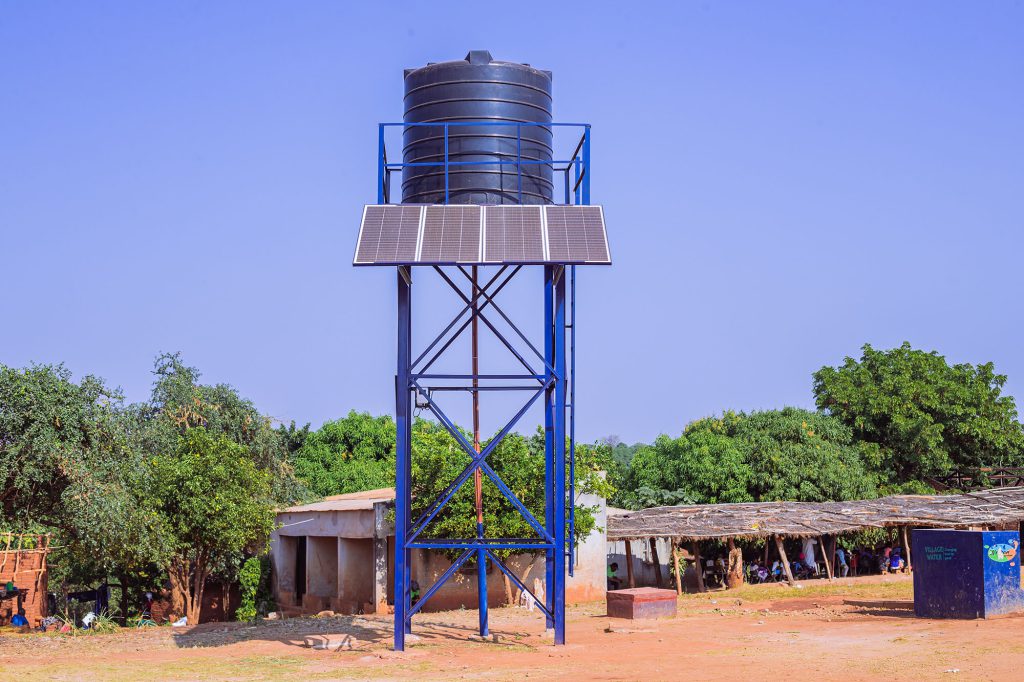
Climate change is making water access increasingly unreliable. Women and girls spend hours each day collecting water, reducing time for education and income-generating opportunities.
What’s the solution?
- Install solar-powered water systems
- Education on climate issues and mitigations
- Support water resource mapping and local planning (planned to start 2026)
- Construct flood and drought resilient water points (planned to start 2026)
Economic Growth
Poor water and sanitation mean women and girls miss school and work, or spend hours collecting water. Reducing education and income opportunities and holding back the local economy.
What’s the solution?
- Train and equip area pump minders to manage repairs
- Support local latrine-building enterprises
- Strengthen supply chains for WASH parts and materials (planned to start 2027)
- Promote small-scale farming with improved water access
- Reduce time spent collecting water, enabling education and livelihoods
United Nations: Sustainable Development Goals (SDGs)
Village Water supports the Sustainable Development Goals. Our District Wide Plan directly supports the UNs’ Sustainable Development Goals (SDGs), recognising that WASH is fundamental to achieving progress across nearly all of them. Our integrated approach ensures no one is left behind as we work towards long-term, district wide change.
SDG 3 – Good Health and Well-being
Ensure healthy lives and promote well-being for all at all ages
SDG 4 – Quality Education
Ensure inclusive and equitable quality education and promote lifelong learning opportunities for all
SDG 6 – Clean Water and Sanitation
Ensure availability and sustainable management of water and sanitation for all
SDG 8 – Decent Work and Economic Growth
Promote sustained, inclusive and sustainable economic growth, full and productive employment and decent work for all
SDG 13 – Climate Action
Take urgent action to combat climate change and its impacts
Our Impact
Safe water saves lives. See how our work combats the water crisis and strengthens health and education across Zambia and Mozambique.
Get Involved
Join us! Whether by fundraising, volunteering, or donating, to bring safe water and sanitation to rural villages in Zambia and Mozambique.